
Wall insulation in Santa Maria CA - warmer rooms without tearing out your walls
Rooms that feel cold along the outside walls usually have empty wall cavities. We fill them through small holes, then patch them.
- Services
- 16
- Service areas
- 12
Get an estimate on your wall insulation
We check wiring, siding and access on each side, so you know where we'd drill.
Request an estimateCan you insulate walls that are already finished?
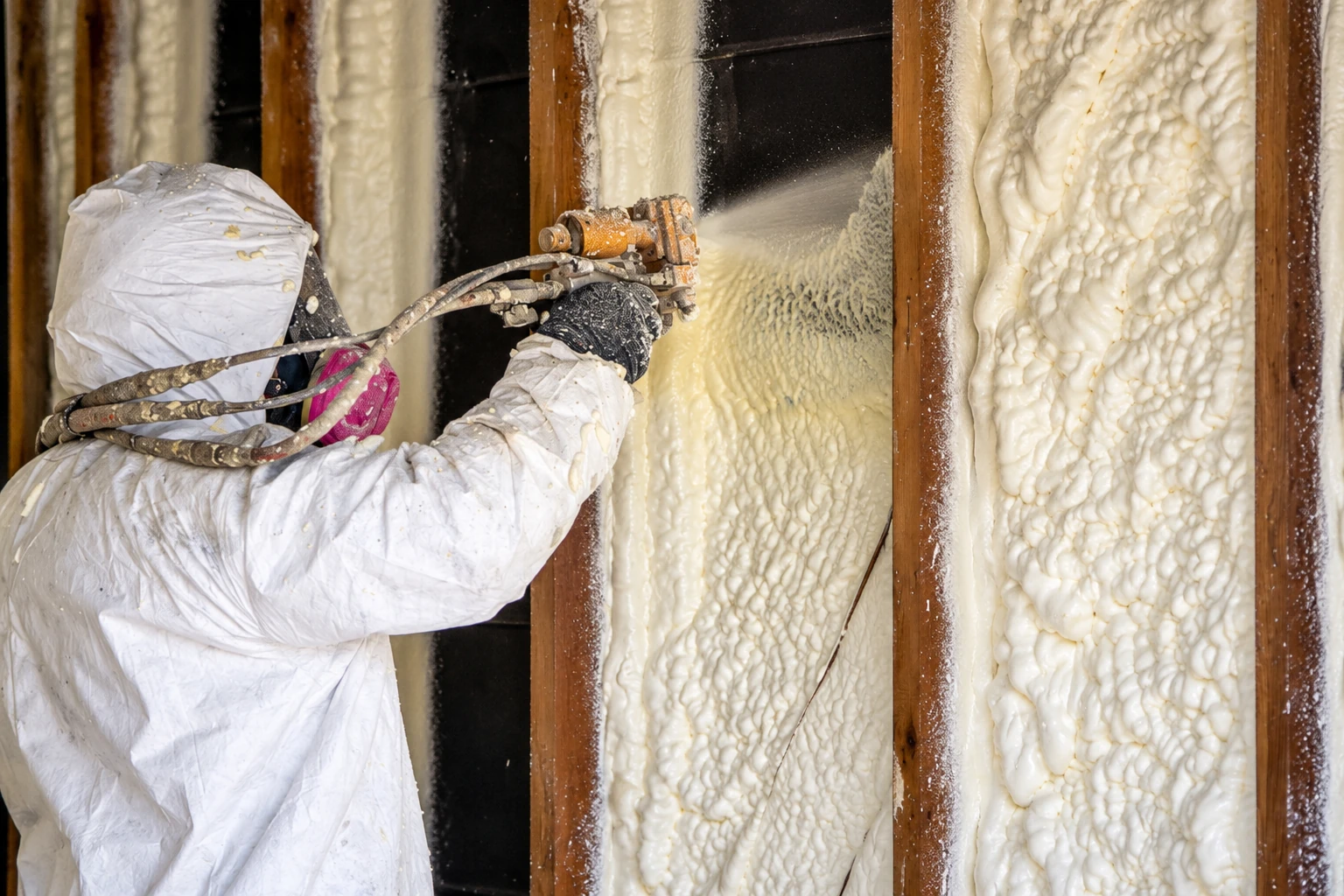
Yes. Wall insulation in Santa Maria for a house that's already built usually means drill and fill, a fairly uninvasive way to do it. We drill small holes near the top of each wall cavity, blow in loose insulation through a hose until the cavity is full, and patch the holes, so you get insulated outside walls without tearing out drywall or siding.
Most calls about walls start with a room that never feels right, cold by the outside wall in winter or hot by late afternoon, and in an older house there's often little or nothing in those walls. The price moves with how much wall we're filling, which side we drill from and how much patching that takes, the material, and whether old wiring or paint has to be dealt with first, and the schedule turns on those same things plus whether the building office wants a permit. If the hot room is upstairs, the attic is usually part of it too, so I look at attic insulation on the same visit and put the figure for your house in a written estimate.
How we handle wall insulation on a finished house
We start by finding out what's in the walls now and how easy each side of the house is to reach. In an older home we ask about the wiring and the paint before anyone drills, because what's behind the wall and on it decides whether a wall can be filled yet and how careful the dust control has to be. Then you help decide whether the holes go on the inside or the outside, since you're the one living with the patches, and I'll tell you what I see on each side. For inside work, installer guidance calls for covering the floor below and closing off the work area so dust stays in that room, and I'll walk you through how that would look room by room. Then we drill near the top of each cavity, fill it full, plug and patch the holes, and clean up.
Filled walls only go so far if air still slips in around outlets, window trim and where the walls meet the attic, so we often pair this work with air sealing services, closing those gaps with caulk and foam so the insulation isn't fighting a draft. When the cold you feel is coming up through the floor more than in from the walls, basement insulation is usually the better place to start.
Wall insulation in Santa Maria: permits and the houses we see
Whether your wall job needs a permit isn't something I'll guess at. Before work starts we check with the building office that covers your address, which inside the city is the city's Building and Safety Division, and if they say a permit is needed we take care of the application and set up the inspections. Their permit technicians can also give you a fee estimate and a general idea of timing if you'd like to ask them yourself. California's Energy Code sets efficiency requirements for changes to existing homes as well as new ones, and its standards for walls and windows depend on which state climate zone a house sits in, so that's part of what we check for your address.
On jobs around here we see plenty of older stucco houses with thin or empty walls, and rooms over the garage that run hot or cold. Stucco takes care to patch so it blends, which is one reason the inside-or-outside talk matters so much here. We meet the same kinds of houses on jobs in Orcutt and Nipomo.
Why call us for wall insulation
I look at your walls myself
I come out to see the job and write the estimate, and our crew does the work with me or a lead installer on site. That way you're not explaining your house all over again to someone new.
In business since 2013
I started this company in 2013 and learned most of the trade crawling through attics and crawl spaces around Santa Maria. Taking a careful look before we quote is what we're best known for, and it's how we keep a wall job from turning up surprises halfway in.
Licensed and fully insured, every job
We're licensed and fully insured. That matters when a crew is drilling into the walls of the house you live in.
- Phone
- (805) 268-7108
- Hours
- Mon–Fri: 8 AM–10 PM, Sat–Sun: 6 AM–9 PM
- Location
- Santa Maria, CA 93454
On a wall job, what counts is the part you'll never see once the holes are patched. Have your house's age, the kind of wiring and any siding plans handy, then call (805) 268-7108 or send us the details to set up a time.
Get a wall insulation estimate for your house
We reply within one business day. Estimates are free and done on site, with no pressure and no obligation. Once you send this, we'll reach out to set a time, and I'll come out to look at your walls and write up the estimate.
- Phone
- (805) 268-7108
- Location
- Santa Maria, CA 93454
- Hours
- Mon–Fri: 8 AM–10 PM, Sat–Sun: 6 AM–9 PM
- Credentials
- Licensed and fully insured.
Frequently asked questions
What is the best way to insulate existing walls, from the inside or the outside?
Drilling from the inside is often the gentler choice, because it leaves the drainage plane, the weather layer behind your siding, alone, while drilling from outside breaks that layer, if your house has one, and it then has to be patched or replaced. Which side fits your house comes down to how easy each side is to reach and what shape that layer is in. If you're already planning new siding, national energy guidance says adding a continuous layer of insulation outside costs only a little more than the siding, and the energy savings often pay it back in 5 to 10 years.
How much does wall insulation cost in Santa Maria?
Across the US, installing blown-in wall insulation usually costs about $4 to $4.50 per square foot, and that's a national figure, not a quote for your house. Your number moves mostly with how much wall there is and how much patching and prep it needs. I'll put your figure in writing after I've looked.
Which wall insulation holds up better if the walls get wet, cellulose or fiberglass?
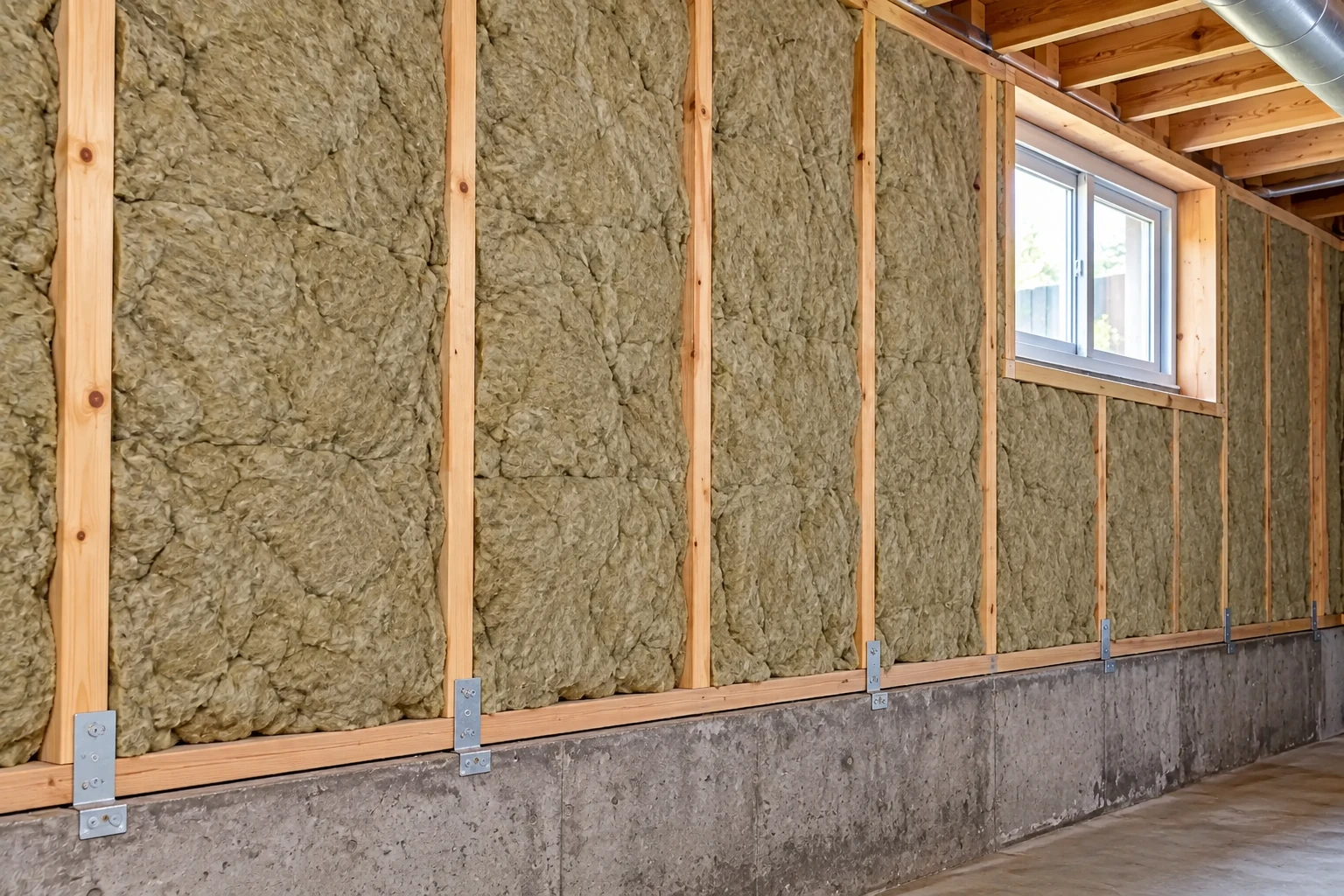
Fiberglass holds up better, because a soaking doesn't permanently damage it, while cellulose breaks down when it gets soaked. Fiberglass is also the lighter of the two. Where a wall has any chance of getting wet, that difference can decide the material, and we'll talk it through once we've seen your walls.
Can you insulate walls in an older house with knob and tube wiring or lead paint?
Not until the wiring is taken care of, because the National Electrical Code bars insulation on or around knob and tube wiring, the old kind run on porcelain knobs through the framing. For houses built before 1980, guidance points owners to lead safety rules, depending on how much of the inside and outside of the walls gets disturbed. It's fair to ask us how we'd handle lead on your walls before anything starts.
Who licenses insulation contractors in California?
The Contractors State License Board does, and it has a C-2 Insulation and Acoustical class for contractors who install any insulating material for temperature or sound control. It's fair to ask any contractor which license they carry before work starts.
How do I know if wall insulation filled every cavity?
An infrared scan is the recommended way to check, because it shows the framing inside the wall and any cavity that didn't fill all the way. Empty spots show up best when it's much warmer or colder outside than inside, so if you want a scan, ask for it on a day like that.
Other work that often goes with wall insulation
Air sealing services
Worth a look if you can feel a draft at an outlet cover or along a baseboard on a windy day.
Basement insulation
For a house where the floors stay cold even after the walls feel warmer.