
Basement insulation in Santa Maria CA - a warmer basement, built to stay dry
Cold floors upstairs or a chilly, damp-feeling basement? We insulate the walls with materials picked to keep them dry, so the house feels warmer.
- Services
- 16
- Service areas
- 12
Ask us to look at your basement
We check the walls for damp spots and measure them so your quote fits your basement.
Request an estimateWhat does it take to insulate a basement in Santa Maria?
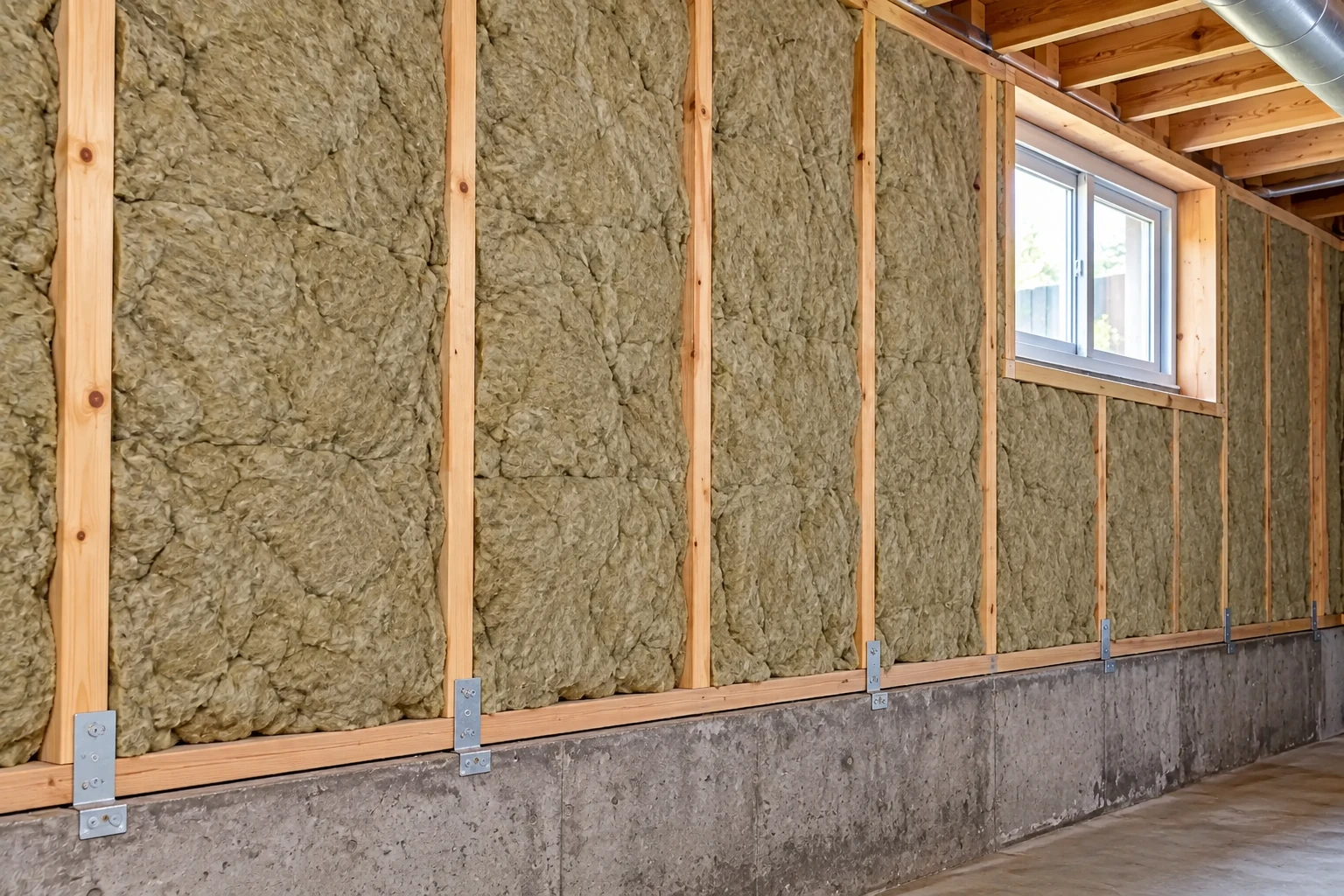
Basement insulation in Santa Maria usually means insulating the basement's outer walls, either from outside the foundation or from inside, behind framing or on furring strips, which are thin wood strips fastened to the concrete. Done that way, the basement becomes part of the warm house instead of a cold space under your floors.
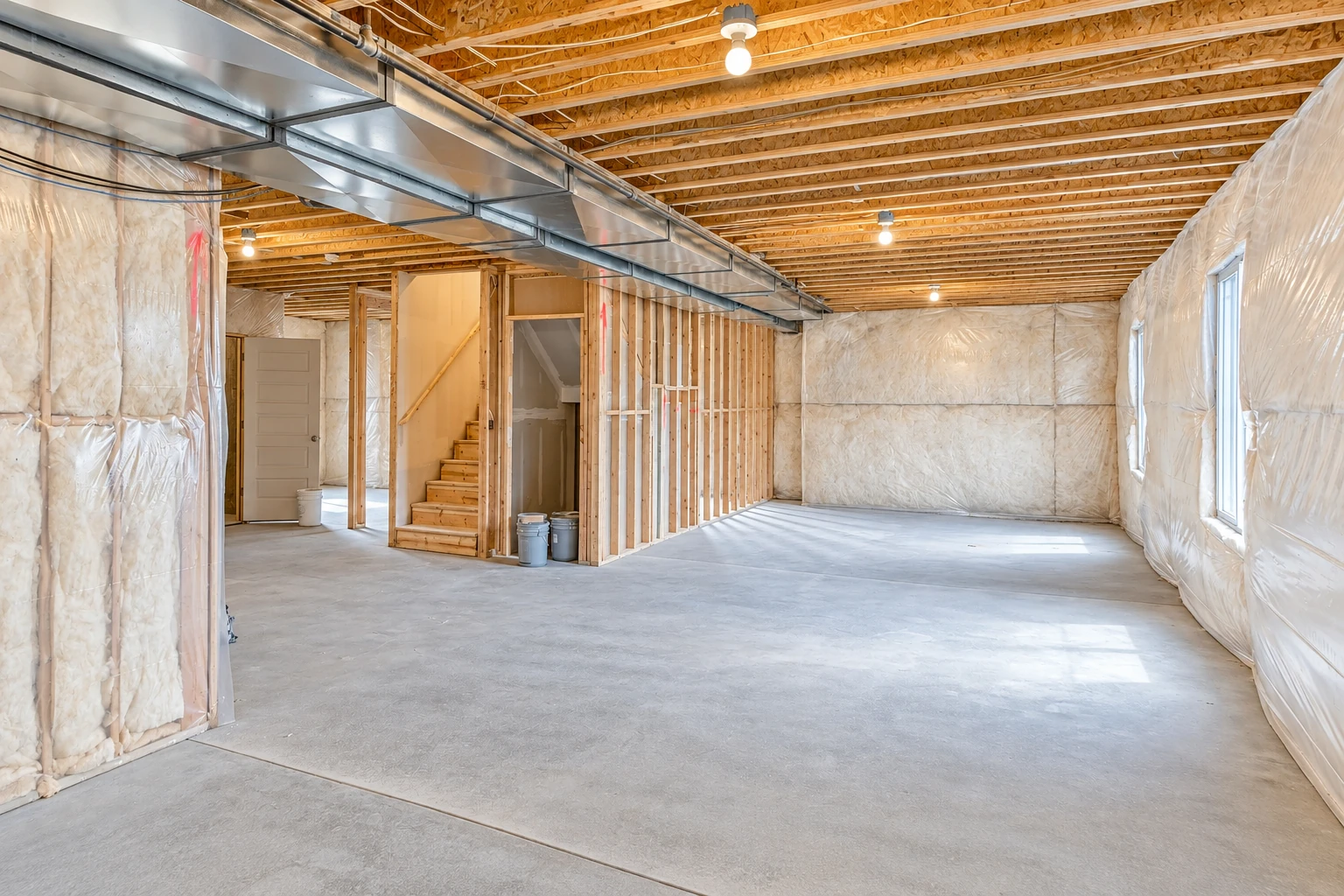
Most people call because the floor over the basement is cold, the room down there feels chilly and damp, or they're about to finish it and want the walls done right before the drywall goes up. What moves the price is how much wall there is, whether we use foam board or batts behind framing, whether old insulation has to come out first, and how much framing and drywall goes back over it. The schedule turns on that same prep and on whether the building office wants a permit, and the estimate visit gives you the figure for your own basement.
How we handle basement insulation
On the visit I start with the walls, looking for damp spots, stains and cracks, because how dry those walls stay decides which materials we use. Most of the time I'd rather insulate the walls than the ceiling over the basement, for the reason in the questions below, and if the walls are going to be covered, I suggest a radon test first while the concrete is still easy to get at. Once you're ready, our crew seals the air leaks along the top of the foundation, puts up foam board or framing with batts, covers it with drywall and seals the seams so damp house air can't work in behind it. Then we clean up, and the part I care about most is the wall nobody sees again once we leave.
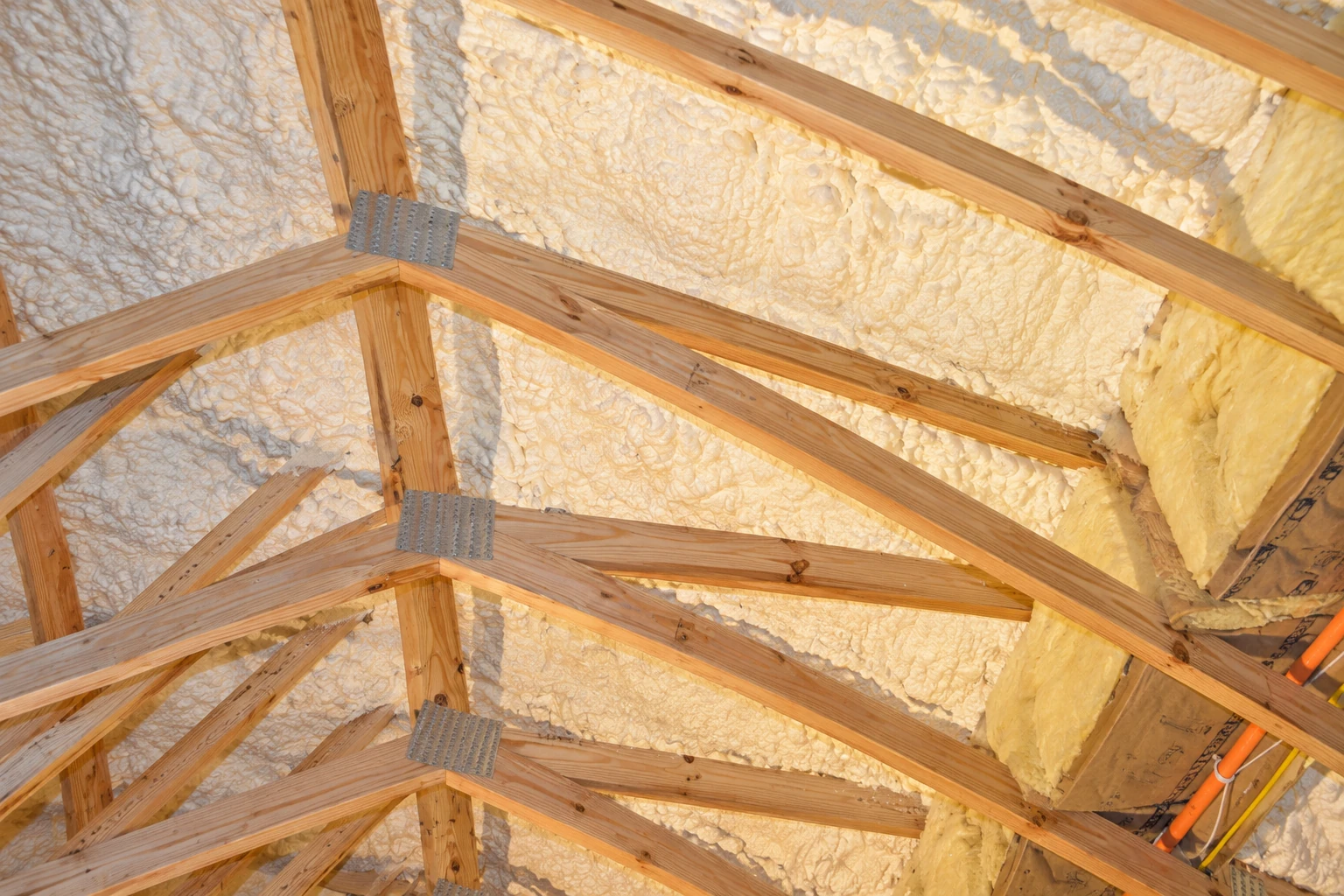
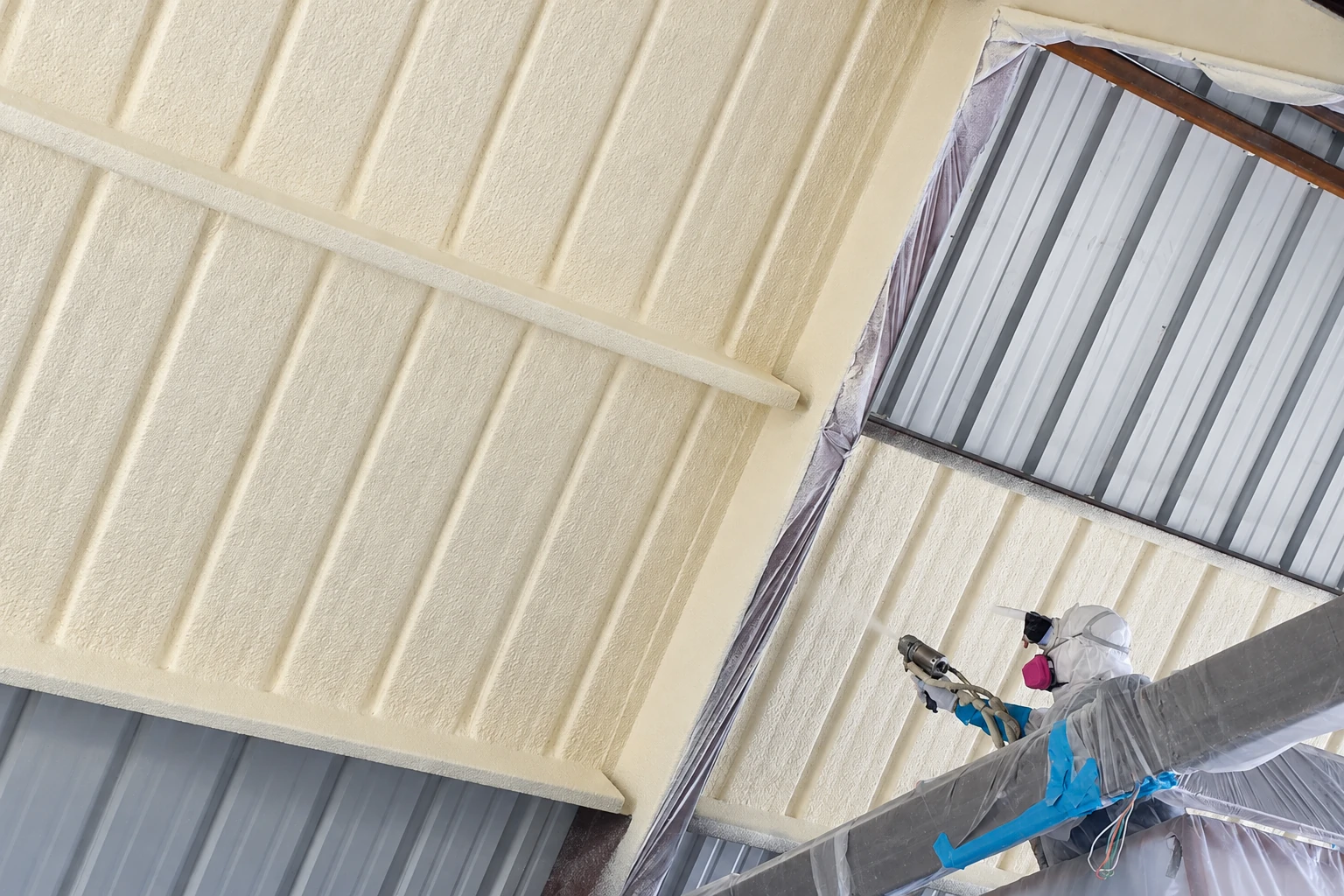
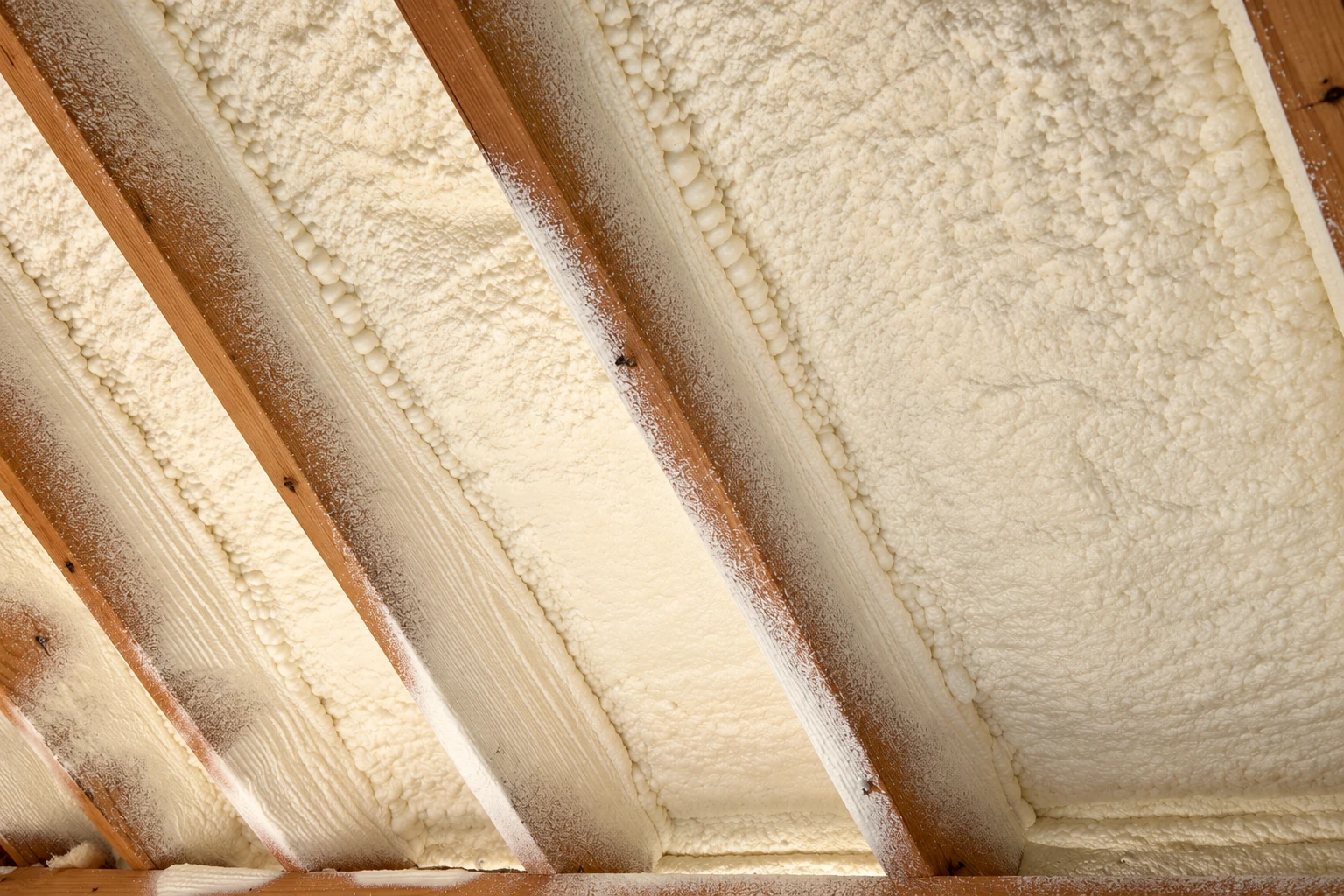
When a wall has to keep out damp as well as cold, closed-cell foam insulation, a dense spray foam that blocks moisture, seals and insulates in one coat, and it costs more for doing both, so I recommend it where a wall has been damp and save you the money where it hasn't. Open-cell foam insulation is lighter and softer, and it's usually a better fit inside the house than against concrete that touches soil.
Permits and radon for basement insulation in Santa Maria
California's energy rules cover work on existing houses, not just new ones, and in Santa Maria the city's building division enforces them. Whether your basement job needs a permit isn't something I'll guess at, so before work starts we check with the building office that covers your address, and if they say a permit is needed, we take care of the application and set up the inspections. If you'd like to ask on your own, permit staff at the city's Building and Safety Division can give you a fee estimate and a general idea of timelines.
The basements we work in around here tend to be in older houses or homes built into a slope, and we see the same kinds of rooms on jobs in Orcutt and Arroyo Grande. The state geological survey lists a radon zone map for Santa Barbara County on its indoor radon page, but it comes from mapping done in the late 1990s, so treat it as a rough guide for the area and not a stand-in for testing your own air.
Why call us for basement insulation
I look at your basement myself
I come out to look at the job and write the estimate, and our crew does the work with me or a lead installer on site. You're dealing with someone who has actually seen your walls.
Insulating houses here since 2013
I learned most of this trade crawling through attics and crawl spaces around Santa Maria. That's where you find out what goes wrong in the places nobody checks after the crew leaves.
Licensed in California, fully insured
We're licensed and fully insured. California's licensing board treats insulation as a trade of its own, covering any material put in to control heat or sound, so it's worth hiring people who do this work for a living.
- Phone
- (805) 268-7108
- Hours
- Mon–Fri: 8 AM–10 PM, Sat–Sun: 6 AM–9 PM
- Location
- Santa Maria, CA 93454
Most of what matters on this job ends up behind drywall, so call (805) 268-7108 or send us a few details, and have your rough wall area in square feet and any radon test result handy. We're based in Santa Maria and work across the cities around it.
Get a basement insulation estimate at your house
We reply within one business day to set a time to come out and look at your basement. The estimate is free and done on site, with no pressure and no obligation to go ahead.
- Phone
- (805) 268-7108
- Location
- Santa Maria, CA 93454
- Hours
- Mon–Fri: 8 AM–10 PM, Sat–Sun: 6 AM–9 PM
- Credentials
- Licensed and fully insured.
Frequently asked questions
Should I insulate my basement walls or the basement ceiling?
Usually the walls. Even a basement you don't heat is tied more closely to the rooms above it than to the outdoors, so insulating the walls brings it into the warm part of the house instead of cutting it off at the ceiling. That's why we plan most basement jobs around the walls.
How much does basement insulation cost per square foot?
Across the US, insulating a basement usually costs about $4.50 to $6.40 per square foot. That's a national average, not our price, and the material, the prep and the drywall work all move your number. Our on-site estimate gives you the figure for your basement.
What is the best foam board for insulating basement walls from the outside?
Extruded polystyrene is the tougher choice and resists moisture, while expanded polystyrene costs less but insulates less. If you're comparing quotes, it's fair to ask which board each one uses, since a lower price can mean the lighter board.
What vapor barrier should I use on a basement wall in Santa Maria?
On a basement wall with fiber insulation, the usual advice is kraft-faced fiberglass batts, which have a paper backing, or latex paint on the drywall, not a plastic sheet. Plastic sheeting and foil-faced sheathing on the inside of that insulation can trap moisture in the wall.
How do I insulate the rim joist in my basement?
You can seal the rim joist, the board that sits on top of the foundation and carries the floor, with rigid foam cut to fit and held in with caulk or spray foam around the edges. Spray foam can also seal and insulate it in one step, so it's worth comparing the two when you look at quotes. It's one of the leakiest spots in a basement, which is why I check it on the estimate visit.
Should I test for radon before insulating my basement?
Yes, it's worth testing before the walls get covered. Radon is a gas that can move through soil and cracks in basement walls and build up indoors, and testing the air is the only way to know your home's level. The U.S. EPA recommends keeping long-term exposure at or below 4 picocuries per liter, so you'll know where your reading stands.
Other foam work that fits basements
Closed-cell foam insulation
If your basement wall has ever been damp, dense foam that holds back moisture and air at once may be the better choice.
Open-cell foam insulation
For framed walls and ceilings inside the house, lighter foam fills odd-shaped gaps and helps quiet noise between rooms.